
- Film & Animation
- Music
- Pets & Animals
- Sports
- Travel & Events
- Gaming
- People & Blogs
- Comedy
- Entertainment
- News & Politics
- How-to & Style
- Non-profits & Activism
- Religion & Spiritual
- Health Natural Remedies
- Gardening +
- Arts & Crafts
- Action
- Hair & Beauty
- Hunting & Survival
- Shopping & Reviews
- Motivational & Self Help
- Jesus
- Marriage
- Live TV
- Programing & Coding
- Latest & Gadgets
- Make You Own
- Unexplained & Stange
- Jesus Christ
- Food & More
- Other
Latest videos

A Pilot, Randomised, Placebo-Controlled, Double-Blind Trial of a Single Oral Dose of Ivermectin for Post-Exposure Prophylaxis of SARS-CoV-2
https://www.mdpi.com/1999-4923/17/9/1205
People who took one small oral dose of ivermectin after exposure,
took longer to test positive and had more time alive and free of symptoms.
Multiple reports from in vitro infectious models document Ivermectin’s antiviral properties
https://pmc.ncbi.nlm.nih.gov/a....rticles/PMC7564151/p
Ivermectin has broad-spectrum antiviral activity.
Randomised, double-blind, placebo-controlled
Single oral dose of Ivermectin as prophylaxis for SARS-CoV-2
Trial to evaluate the effectiveness of a single oral low dose of Ivermectin
Ability to prevent SARS-CoV-2 infection?
Ability to reduce symptoms if infection did occur?
Methods
Asymptomatic community-dwelling adults
Enrolled within 72 h of close contact with a case of SARS-CoV-2.
Single oral 200 µg/kg dose of Ivermectin or placebo.
65Kg woman given 13mg
80Kg man given 16mg
The primary outcome
Conversion to a positive PCR or RAT test within 14 days of close contact.
Secondary outcomes
(for those who tested positive)
Days alive free of symptoms in the 14 and 28 days following ivermectin
Days from close contact until a positive PCR or RAT
Results
N = 536 (86 met inclusion criteria and were randomised)
68 adhered and were included in the analysis.
Ivermectin arm
11/36 tested positive
Placebo arm
11/32 tested positive
So, ivermectin did not prevent people testing positive
Days from close contact until a positive PCR or RAT
Increased by 2.3 days in ivermectin group.
P = 0.033
So, ivermectin lengthened the incubation period
Viral load needed to precipitate clinical disease took longer to develop – indicating an antiviral effect.
Infection may have been prevented from primary contact, - indicating an antiviral effect.
Days alive free of symptoms
Increased by 2.5 days in ivermectin group.
P = 0.036
So ivermectin delayed onset of symptoms in people who tested positive
(Longer asymptomatic period)
Controlling included
Age, prior SARS-CoV-2 infection, body mass index, hypertension, lung disease
Conclusions
We did not demonstrate that a single oral low dose of Ivermectin administered to asymptomatic adults within 72 h of close contact with a case of
SARS-CoV-2 prevents conversion to a positive PCR or RAT.
(may have done with a larger sample size)
Amongst those who did convert to a positive PCR or RAT
Ivermectin significantly lengthened the time from close contact to conversion
Ivermectin increased the number of days alive free of symptoms
More details
Initiation of this trial in late 2021
Discovery in 1975
Massively used around the world
Nobel Prize in 2015
Very low incidence of serious adverse side effects
No instance of resistance reported in over 25 years.
Ivermectin can bind to and inhibit the nuclear transport roles of the host importin α (IMPα) protein,
which is known to mediate the nuclear import of various viral proteins and key host factors.
Other quite distinct antiviral actions of Ivermectin have been proposed
High (therapeutic) concentrations collect in the lungs, stable for more than 30 days in cattle
Trial was based on the strong clinical retrospective association of statistically significantly lower mortality in patients who received oral Ivermectin (200 μg/kg) compared with usual care
https://www.sciencedirect.com/....science/article/pii/
Ivermectin patients 15% mortality
Controls, 25.2% mortality
In subjects with severe pulmonary disease
Ivermectin patients, mortality 38.8%
Controls, 80.7% mortality


The War on Ivermectin by Dr. Pierre Kory, https://www.amazon.com/War-Ivermectin-Medicine-Millions-Pandemic/dp/151077386X/ref=sr_1_1?dib=eyJ2IjoiMSJ9.EVlbDojnY-TDtm3BgepTIg.q5qDUxkwO3stZL9DZRUFMVYBLM5ix5BlzBT_LKusDLA&dib_tag=se&keywords=kory+the+war+on+ivermectin&qid=1762207712&sr=8-1
COVID-19 treatment: real-time analysis of 6,252 studies, https://c19early.org/

Ivermectin and Mebendazole in Cancer Patients
https://zenodo.org/records/19455636
The Clinical Benefit Ratio
Complete Response + Partial Response + Stable Disease / Total Patients
(CBR) was 84.4%
Overall, it is estimated that annual costs of standard chemotherapies average $111,000 per year.
Background: Drug repurposing offers a pathway to identify accessible, low-toxicity cancer therapies.
Ivermectin and mebendazole have demonstrated multi-target anti-cancer activity.
This paper evaluates real-world patient-reported outcomes, safety, and adherence in a cohort of cancer patients utilizing this combination protocol.
Methods:
Prospective observational cohort of 197 cancer patients,
who were prescribed ivermectin and mebendazole off-label through telemedicine (platform by licensed U.S. healthcare providers)
Participants received compounded oral capsules containing 25 mg ivermectin and 250 mg mebendazole.
Data were collected via voluntary, standardized digital surveys at baseline and at approximately 6-month follow-up.
Of the initial cohort (N = 197), baseline characteristics, including cancer type and disease status, were assessed.
A total of 122 participants completed the follow-up survey (61.9% response rate)
Results:
Mean age of 67 years, (52.3% male, 47.7% female).
Cancer types included
Prostate 27.9%
Breast 18.3%
Lung 8.6%
Colon 5.1%
Urologic 4.6%
Pancreatic 3.0%
Liver 2.5%
Gynaecologic 2.5%
Hematologic 2.5%
Median duration since initial diagnosis, 1.2 years
37.1% experiencing active disease progression.
6-month follow-up
Medication adherence, 86.9%
Full initial 90-capsule ivermectin-mebendazole prescription.
The Clinical Benefit Ratio
Complete Response + Partial Response + Stable Disease / Total Patients
(CBR) was 84.4%
Notably, 48.4% of cohort, strongest positive outcomes:
Regression, 15.6%
No current evidence of disease (NED), 32.8%
Disease stability, 36.1%
Disease progression, 15.6%
No significant dose-response association was observed for cancer outcomes (p = 0.91),
without a clear dose-response gradient for efficacy.
Side effects
Mild side effects (primarily gastrointestinal), 25.4%
(93.6% of those affected continued treatment through minor dose adjustments)
Concurrent conventional therapies
Chemotherapy, 27.9%
Radiation therapy, 21.3%
Surgery, 19.7%
Adjunctive interventions such as supplement use, 49.2%
Dietary modification, 37.7%
Conclusions: In this prospective real-world cohort, the combination of ivermectin and mebendazole was associated with high rates of self-reported clinical benefit, with nearly half of participants reporting tumours regression or no current evidence of disease across a heterogeneous population of cancer patients.
These findings provide a compelling clinical signal that these well-tolerated, repurposed agents may offer therapeutic benefit.
However, observational design, reliance on self-reported outcomes, and potential for selection bias and uncontrolled confounding, these findings should be interpreted as hypothesis-generating.
Urgent prospective, randomized, placebo-controlled clinical trials
Validate these observations and further define optimal dosing strategies.
Mechanism (pharmacodynamics)
Ivermectin and mebendazole are antiparasitic agents,
demonstrated highly promising anti-cancer activity.
Ivermectin
Shown to exert over 14 distinct anti-cancer mechanisms across more than 12 cancer types,
inhibiting cancer cell proliferation, metastasis, angiogenesis, mitochondrial function.
Has demonstrated excellent safety in cancer patients (including those actively undergoing chemotherapy)
Ivermectin and mebendazole selectively target cancer stem cells
Mebendazole
Microtubule disruption, leading to effective cell cycle arrest
Potent induction of apoptosis
Significant inhibition of tumour growth
Inhibition of angiogenesis
Disruption of glucose uptake
When used together
Target non-overlapping pathways, resulting in synergistic tumour regression,
cancer stem cell depletion, and reversal of multidrug resistance in multiple in vitro and in vivo models
Biodistribution, ivermectin and mebendazole document excellent tissue penetration

Pierre Kory is most famous for being a piece of shit fraud who got up in front of a Senate Committee and proclaimed that if you take ivermectin you can't get COVID, only to then promptly get COVID. He also made a fortune prescribing and selling it online, at the cost of many human lives who wasted precious time taking snake oil instead of getting actual treatment. Watch me expose this script of lies right to his dumb face.
Watch my other debunks/debates/discussions: http://bit.ly/ProfDaveDebunk
EMAIL► ProfessorDaveExplains@gmail.com
PATREON► http://patreon.com/ProfessorDaveExplains
Check out "Is This Wi-Fi Organic?", my book on disarming pseudoscience!
Amazon: https://amzn.to/2HtNpVH
Bookshop: https://bit.ly/39cKADM
Barnes and Noble: https://bit.ly/3pUjmrn

Subscribe for the latest science breakdowns! And, become a member to chat 1:1 about science related topics!
Ivermectin is a small molecule used to treat parasitic infections. It works by inhibiting glutamate chloride receptors on the parasite's nerve cells.
Check out a full podcast where we discussed Ivermectin & it’s cancer fighting effects: https://podcasts.apple.com/pod....cast/id1797639992?i=
With Professor Colleen Aldous
Critical appraisal of multidrug therapy in the ambulatory
management of patients with COVID-19 and hypoxemia
Part II: Causal inference using the Bradford Hill criteria
https://www.jstage.jst.go.jp/a....rticle/antibiotics/7
We continue the critical appraisal of three published case series of 119 COVID-19 patients with hypoxemia, treated in the United States, Zimbabwe, and Nigeria with similar ivermectin-based multidrug treatments, to assess the available evidence supporting a causal relationship between treatment and reduction in hospitalizations and mortality. A narrative review was conducted to assess the Bradford Hill criteria for a causal association. We used a previously proposed refinement of the Bradford Hill criteria that reorganized them into three categories of direct, mechanistic, and
parallel evidence. The efficacy of the two most aggressive ivermectin-based
multidrug protocols is supported by the Bradford Hill criteria for temporality,
strength of association, biological gradient, biological plausibility, coherence, consistency, and analogy. The causal relation between the treatment of hypoxemic COVID-19 patients using these protocols and the reduction in hospitalizations and mortality is supported as an inference to the best explanation.
Critical appraisal of multidrug therapy in the ambulatory
management of patients with COVID-19 and hypoxemia
Part I. Evidence supporting the strength of association
https://faculty.utrgv.edu/elef....therios.gkioulekas/p
On March 11, 2020, Coronavirus Disease 2019 (COVID-19), the disease caused by the Severe Acute Respiratory Coronavirus 2 (SARS-CoV-2), was declared a pandemic by the World Health Organization (WHO) [1]. Worldwide, 768,187,096 confirmed cases of COVID-19 and 6,945,714 deaths have been reported to the WHO as of June 21 2023, amounting to an average Case Fatality Rate (CFR) of 0.9% [2]. During 2020, while several governments and public health agencies were focused on contagion control and in-hospital patient care, several medical doctors from all around the world innovated and discovered early outpatient multidrug treatments using several repurposed medications in combination [3–15]. In the United States, several independent efforts coalesced into the formulation of a sequenced multidrug protocol [10, Fig. 3] (hereafter, McCullough protocol), which is based on the pathophysiological understanding of COVID-19 as a triphasic illness with three overlapping phases: (1) viral proliferation; (2) hyperinflammatory cytokine storm (COVID-19 pneumonia); and (3) thrombosis. McCullough’s protocol proposed a combination antiviral therapy for treating the viral proliferation phase, immunomodulators for treating the cytokine storm, and antiplatelet agents and antithrombotics for handling the thrombotic stage, based on risk stratification and how the disease presents in each individual patient. Thus, the McCullough protocol is an algorithmic treatment using sequenced multiple drugs in combination and customized to the individual patient and their response to treatment; no single drug is necessary nor sufficient to achieve treatment efficacy towards reducing hospitalizations and deaths. A recently published update of the McCullough protocol [16, Fig. 3] introduced some adjustments including virucidal nasal washes and oral gargles [17–24]. A large case series of 869 high-risk patients [25, 26], who were treated using an early version of the McCullough protocol, has been compared against population-level and historical controls [27], showing the existence of efficacy with respect to the reduction of mortality and hospitalizations, which is also resilient with respect to random selection bias, provided that patients are treated early enough within the first 3 to 5 days from the onset of illness. Indeed, an earlier study by Fazio et al.[28] showed that the ideal window of opportunity for initiating an effective early outpatient treatment of COVID-19 to prevent hospitalization is approximately within the first 3 days.

Ivermectin, an anti-parasitic drug used mainly for deworming horses and other animals, is being promoted on social media for unproven uses, including the treatment of cancer and Covid in humans. That has doctors alarmed.
Dani Blum, a reporter for Well, explains what we know about what ivermectin can — and can’t — do.
Video by Dani Blum and Theodore Tae
Read the story here: https://nyti.ms/3Ym2jkX
Subscribe: http://bit.ly/U8Ys7n
More from The New York Times Video: http://nytimes.com/video
----------
Whether it's reporting on conflicts abroad and political divisions at home, or covering the latest style trends and scientific developments, New York Times video journalists provide a revealing and unforgettable view of the world. It's all the news that's fit to watch.

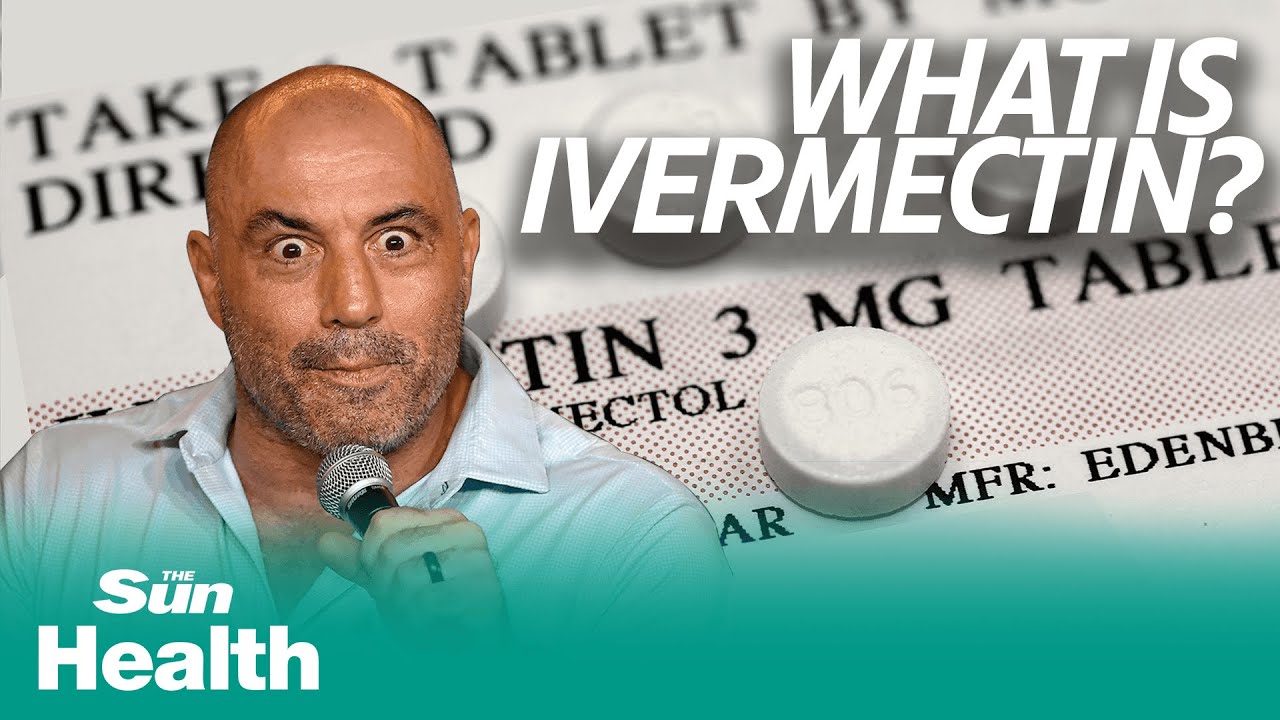
PODCAST host Joe Rogan has claimed his doctor prescribed him the controversial horse deworming medicine Ivermectin to tackle COVID-19.
The 54-year-old made the claims as he returned to hosting his Joe Rogan Experience for the first time since beating the virus.
Rogan, who was diagnosed with COVID-19 eight days ago, said he took a human version of the drug, which can be used in animals and humans to treat parasites.
So, what is ivermectin, is it really for horses and can it treat covid-19?
The Sun's Head Of Health Lizzie Parry has the answers in this week's Health Check.
Read more: https://www.thesun.co.uk/news/....16079422/joe-rogan-h
https://www.thesun.co.uk/news/....16048430/joe-rogan-t
For information about approved treatments for covid-19 visit the NHS website:
https://www.nhs.uk/conditions/....coronavirus-covid-19


Jimmy speaks with epidemiologist Nicolas Hulscher about an observational study of 200 cancer patients showing that 84.4% benefited from taking ivermectin and fenbendazole for six months, with 32.8% reporting no evidence of disease, 15.6% tumor regression, and 36% cancer stabilization. Hulscher explains that ivermectin targets cancer stem cells—which chemotherapy leaves behind, causing cancer to return—and has over 14 distinct anti-cancer mechanisms across more than 12 cancer types, including inducing apoptosis, cutting off angiogenesis, and disrupting microtubules.
Jimmy shares his personal experience of being vaccine-injured and treated with ivermectin, noting that the medical establishment lied about the drug to fast-track COVID vaccine approval for hundreds of billions in profit. He argues that no government or university will fund randomized trials because ivermectin and fenbendazole cannot be patented, while standard chemotherapy averages $111,000 per year and is highly toxic, something Dr. John Campbell describes as a "complete tragedy" for cancer patients.
Nicolas Hulscher on Twitter: https://twitter.com/nichulscher
Nicolas Hulscher’s Substack: https://www.thefocalpoints.com/
Become a Premium Member: https://www.jimmydore.com/premium-membership
Go to a Live Show: https://www.jimmydore.com/tour
Subscribe to Our Newsletter: https://mailchi.mp/jimmydorecomedy/ytlivestreams
LIVESTREAM & LIVE SHOW ANNOUNCEMENTS:
Email: https://mailchi.mp/jimmydorecomedy/ytlivestreams
Twitter: https://twitter.com/jimmy_dore
Facebook: https://www.facebook.com/JimmyDoreShow
Instagram: https://www.instagram.com/thejimmydoreshow
WATCH / LISTEN FREE:
Videos: https://www.jimmydore.com
Podcasts: https://www.jimmydore.com (Also available on iTunes, Apple Podcasts, Spotify, Google Podcasts, or your favorite podcast player.)
ACCESS TO FULL REPLAYABLE LIVESTREAMS:
Become a Premium Member: https://www.jimmydore.com/premium-membership
SUPPORT THE JIMMY DORE SHOW:
Make a Donation: https://www.jimmydore.com/
Buy Official Merch (Tees, Sweatshirts, Hats, Bags): https://thejimmydoreshow.dashery.com/
https://dobynsfamilycreations.....com/collections/the-
DOWNLOAD OUR MOBILE APP:
App Store: https://apps.apple.com/us/app/....jimmy-dore/id8392945
Google Play: https://play.google.com/store/....apps/details?id=com.
Jimmy Dore on Twitter: https://twitter.com/Jimmy_Dore
Stef Zamorano on Twitter: https://twitter.com/miserablelib
About The Jimmy Dore Show:
#TheJimmyDoreShow is a hilarious and irreverent take on news, politics and culture featuring Jimmy Dore, a professional stand up comedian, author and podcaster. The show is also broadcast on Pacifica Radio Network stations throughout the country.
Ivermectin! We've all heard about this mysterious medication being used by some to treat COVID-19. But, is Ivermectin safe for humans? Is Ivermectin FDA Approved? Why are people being warned not to take this medication in veterinarian form? Is Ivermectin being studied as a COVID treatment? And, what about a pharmaceutical intervention like monoclonal antibodies?
There seems to be much controversy and confusion about the drug Ivermectin and I'd like to help clear the air. Please join our Executive Producer, Shari Kulanu, and me as we dive into the basics of Ivermectin.
Make sure to check out Dr. David's video, "Say What! Monoclonal Antibodies?" referenced in today's video:
https://youtu.be/Lgc2wVsVWeg
--------
Do you have any questions for Dr. David? Ask him in the comments below!
Please SUBSCRIBE for new videos every week!
https://bit.ly/3xhijVf
Let's connect:
Website: https://drdavidmd.com/
FB: https://www.facebook.com/PagingDrDavidMD
*Dr. David is an independent thinker who takes as much information as possible in order to make the best decision and comments that he can. Dr. David's thoughts and opinions may shift as information evolves. Furthermore, the information within this video is not intended to be a substitute for professional medical advice, diagnosis, or treatment. All content contained within the Dr. David MD channel is informative and does not replace a consultation with your own health professional.*
#Ivermectin #COVID #DrDavidMD #AskDrDavid #DrDavidBerger