
- Film & Animation
- Music
- Pets & Animals
- Sports
- Travel & Events
- Gaming
- People & Blogs
- Comedy
- Entertainment
- News & Politics
- How-to & Style
- Non-profits & Activism
- Religion & Spiritual
- Health Natural Remedies
- Gardening +
- Arts & Crafts
- Action
- Hair & Beauty
- Hunting & Survival
- Shopping & Reviews
- Motivational & Self Help
- Jesus
- Marriage
- Live TV
- Programing & Coding
- Latest & Gadgets
- Make You Own
- Unexplained & Stange
- Jesus Christ
- Food & More
- Other
How-to & Style
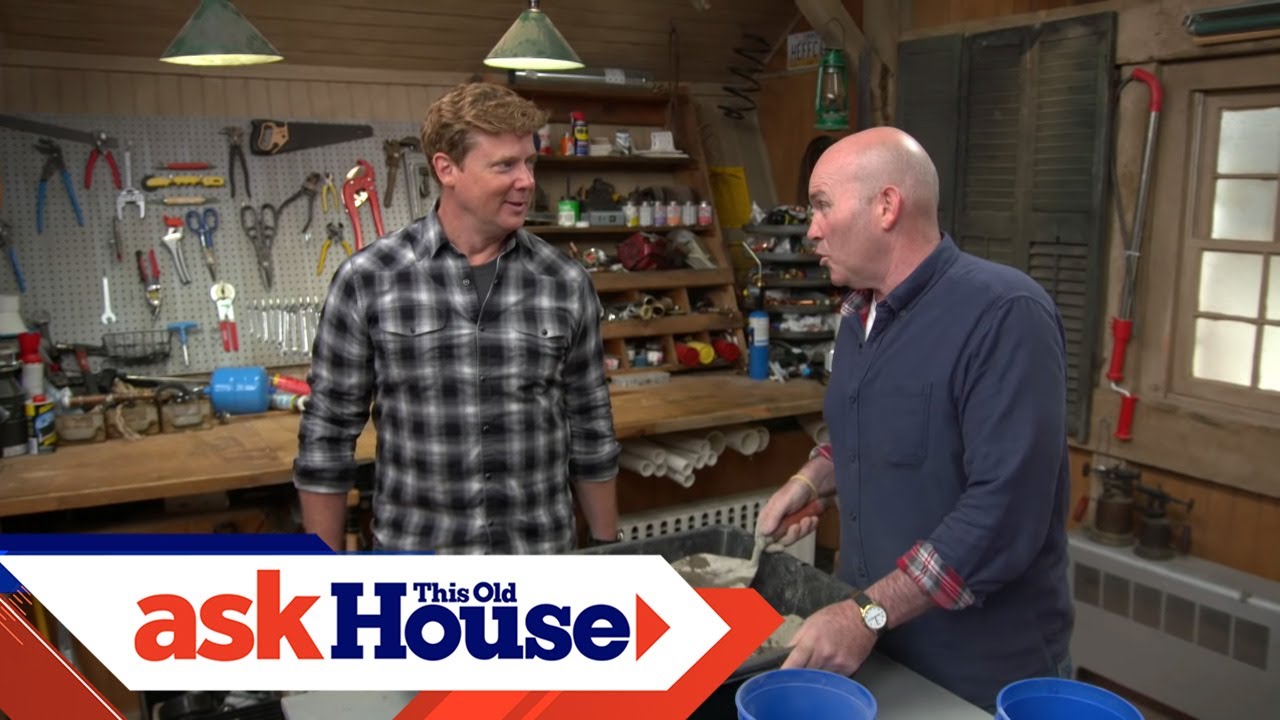

Ask This Old House mason Mark McCullough explains the basics of making concrete
SUBSCRIBE to This Old House: http://bit.ly/SubscribeThisOldHouse
Time: 10 minutes
Cost: $20
Skill Level: Beginner
Tools List for Making Concrete:
Trowel
Mixing bucket
Bucket for measuring
Shopping List:
Sand in bulk
Aggregate in bulk (crushed stone, etc.)
Portland cement in bulk
Steps:
1. Measure out each ingredient in the following proportion: 3 parts sand, 2 parts aggregate, 1 part Portland cement. Use a bucket to help keep the measurements accurate.
2. Pour the sand, aggregate, and Portland cement into a mixing bucket. To make the mix stronger, add more aggregate and Portland cement.
3. Add water slowly to the bucket and begin to mix it up with the trowel. Add more water as needed until the concrete is at the correct consistency.
Resources:
Most concrete can be made using a premixed bag, like the one Mark demonstrated, which is manufactured by Quikrete (https://www.quikrete.com/).
For bigger jobs that require a lot of concrete, it’s cheaper to make the concrete yourself. The sand, aggregate, and Portland cement can all be found at masonry yards.
Expert assistance with this segment was provided by MJM Masonry (http://mjmmasonry.com/).
About Ask This Old House TV:
Homeowners have a virtual truckload of questions for us on smaller projects, and we're ready to answer. Ask This Old House solves the steady stream of home improvement problems faced by our viewers—and we make house calls! Ask This Old House features some familiar faces from This Old House, including Kevin O'Connor, general contractor Tom Silva, plumbing and heating expert Richard Trethewey, and landscape contractor Roger Cook.
Follow This Old House and Ask This Old House:
Facebook: http://bit.ly/ThisOldHouseFB
Twitter: http://bit.ly/ThisOldHouseTwitter
http://bit.ly/AskTOHTwitter
Pinterest: http://bit.ly/ThisOldHousePinterest
Instagram: http://bit.ly/ThisOldHouseIG
http://bit.ly/AskTOHIG
Tumblr: http://bit.ly/ThisOldHouseTumblr
For more on This Old House and Ask This Old House, visit us at: http://bit.ly/ThisOldHouseWebsite
How to Make Your Own Concrete | Ask This Old House
https://www.youtube.com/user/thisoldhouse/

An Attempt at Reproducing Ancient Roman Concrete by using Limestone, Volcanic Ash and Aggregate. Please Hit The LIKE and SUBSCRIBE BUTTONS as well as the NOTIFICATION BELL. Feel Free to Check out my Amazon Influencer Page and Follow Me on Instagram, Facebook and Twitter. Thanks For Watching.
Amazon https://www.amazon.com/shop/corporalscorner?isVisitor=true&ref=exp_inf_own_pub_corporalscorner
Self-reliance Outfitters https://www.selfrelianceoutfit....ters.com/collections
Facebook https://www.facebook.com/pages..../Corporals-Corner/51
#corporalscorner #shawnkelly #campinginthewoods
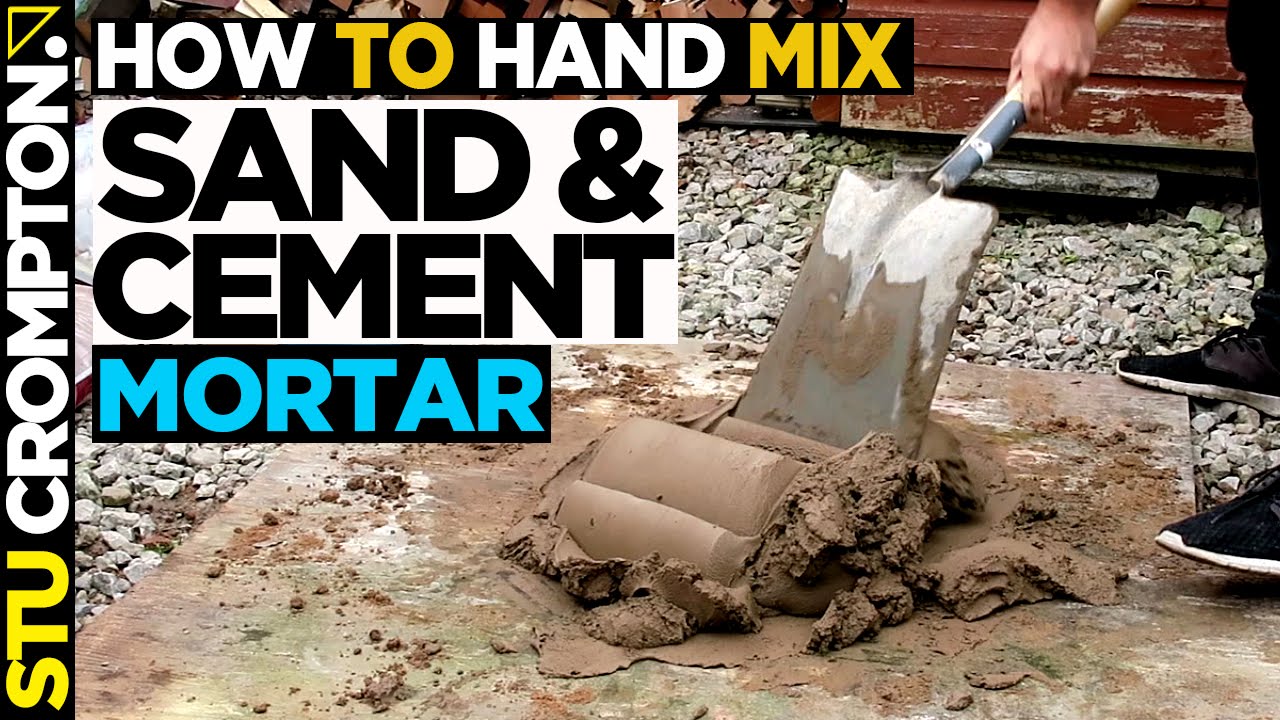
LEARN BRICKLAYING
Download My free bricklaying guide : https://courses.bestbricky.com..../4-Step-Bricklaying-
hope you enjoy :)
stu
please support my journey on this channel by becoming a patreon so i can keep producing content. https://www.patreon.com/stucrompton
every penny counts thankyou
My Aerial videography business www.skyawesome.co.uk
Twitter: https://twitter.com/stucrompton
Facebook: https://www.facebook.com/stucromptonyoutube
Instagram: http://instagram.com/stucrompton
SnapChat: stucrompton
Acting website : www.stucrompton.com
live streaming
Periscope: stucrompton
Blab: stucrompton
Meerkat: stucrompton
music from epedemicsound
songs used : making me feel alright
website here : http://www.epidemicsound.com/
Business: stucrompton@ymail.com
Thanks for watching!

A cement is a binder, a substance used for construction that sets, hardens, and adheres to other materials to bind them together. Cement is seldom used on its own, but rather to bind sand and gravel (aggregate) together. Cement mixed with fine aggregate produces mortar for masonry, or with sand and gravel, produces concrete. Concrete is the most widely used material in existence and is behind only water as the planet's most-consumed resource.
Cement manufacturing is a complex process that begins with mining and then grinding raw materials that include limestone and clay, to a fine powder, called raw meal, which is then heated to a sintering temperature as high as 1450 °C in a cement kiln. In this process, the chemical bonds of the raw materials are broken down and then they are recombined into new compounds. The result is called clinker, which are rounded nodules between 1mm and 25mm across. The clinker is ground to a fine powder in a cement mill and mixed with gypsum to create cement. The powdered cement is then mixed with water and aggregates to form concrete that is used in construction.
Clinker quality depends on raw material composition, which has to be closely monitored to ensure the quality of the cement. Excess free lime, for example, results in undesirable effects such as volume expansion, increased setting time or reduced strength. Several laboratory and online systems can be employed to ensure process control in each step of the cement manufacturing process, including clinker formation.
🔰Recomended Videos:
https://youtu.be/K4Pvxzu6Hbs?si=KTxnp-e1T5dzHZkr
https://youtu.be/xieRUXbqKws?si=n2QtbSwE-twsZALe
https://youtu.be/3W16JxdGtZA?si=qPju8ZjQt04n5dDb
https://youtu.be/c1NtUtXcGeQ?si=dbpr2O7qtfaewZPF
https://youtu.be/DeTyuLYEN4g?si=HxZXzexU8euSNW39
https://youtu.be/iwgMl5sr1O4?si=wWtQz_bfAKmAMIp3
https://youtu.be/3gPf0Ki4ge8?si=MGSoG1xnGMPyuRbd
https://youtu.be/m4zTKRJK4TM?si=XFfiiUjMWzZo6Kez

This experiment is not included in the MEL Chemistry subscription–we just love to show you the beauty of chemistry💙
For cool and safe experiments to do at home sign up to MEL Science here: https://goo.gl/ZK6dpv
It’s easy to make the simplest type of cement yourself. In this experiment, we’ll prepare a mixture which you can use to make a little house, for example for a dog.
Safety precautions
Wear a protective mask, gloves and glasses, and work in a well-ventilated room.
Warning! Only under adults supervision.
Reagents and equipment:
* building lime (calcium oxide, 100 g);
* sand (300 g);
* water (100-150 ml);
* deep container for mixing;
* trowel;
* bricks.
Step-by-step instructions
Mix the building lime with water. Gradually add sand and stir thoroughly. We get a simple cement mixture. Apply it to bricks and leave for a week. The bricks are stuck together!
Processes description
In the reaction of calcium oxide with water, calcium hydroxide forms.
СаО + Н₂О = Са(ОН)₂
In air, calcium hydroxide reacts with carbon dioxide with the formation of durable calcium carbonate, which envelops and sticks the sand particles together
Са(ОН)₂ + СО₂ = СаСО₃ + Н₂О
All opinions or methods expressed in the video(s) are personal opinion only and for educational purposes only. Always check current regulations or seek second opinions from other video sources or websites. Anyone working at ANY height should be fully trained and insured to do so and use the correct access equipment. Anyone working on ANY project does so at their own risk!
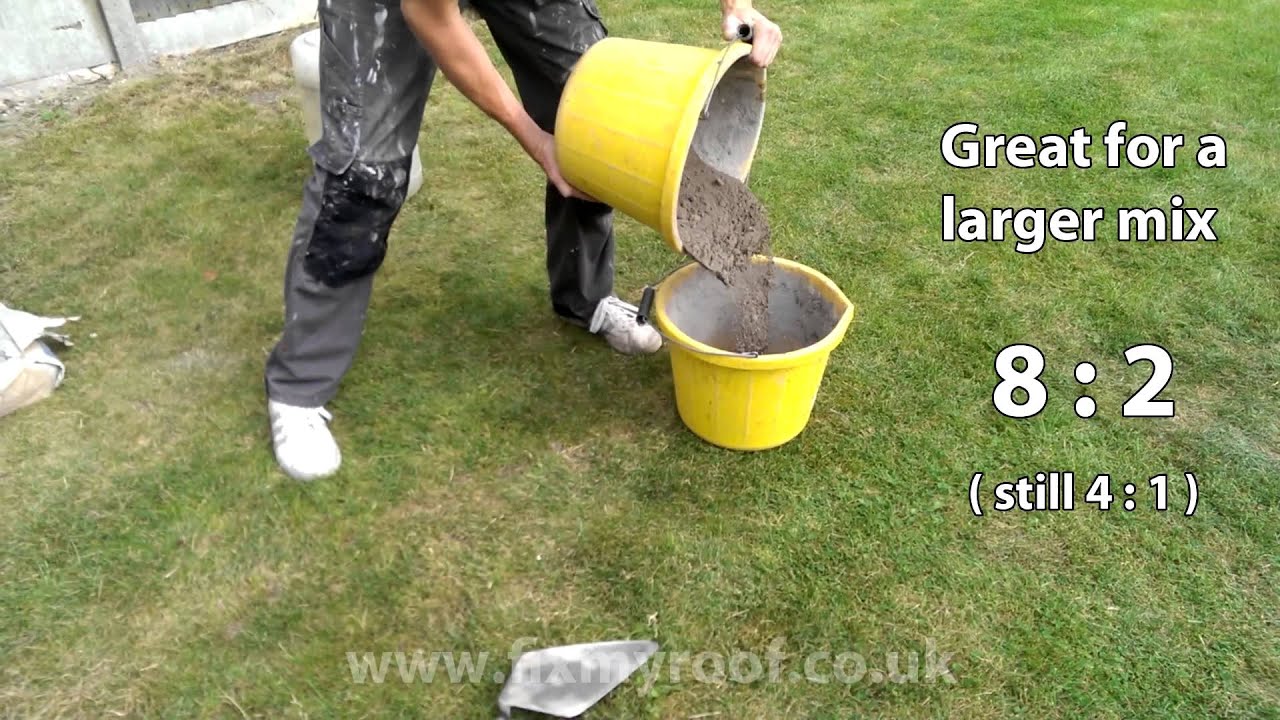
Mixing a small sand and cement bucket mix like this by hand is not only fast, but very cheap for small DIY jobs around the house. A lot of repair jobs even for professionals involve 'knocking up' small amounts of mortar like this. This is I believe an essential life skill, like knowing how to wire a plug, or unblock a sink.
Great for small pointing jobs, pointing lead flashings, brickwork chases, walls and chimney to name but a few...
For lager jobs why not consider a builders spot mix : http://youtu.be/ehBKETtRImk
For more help with common sand and cement mixes : http://www.fixmyroof.co.uk/mix-cement-mortar/
To learn how to point up a wall, slabs or chimney se this video : https://youtu.be/jPcp0iLoJtM

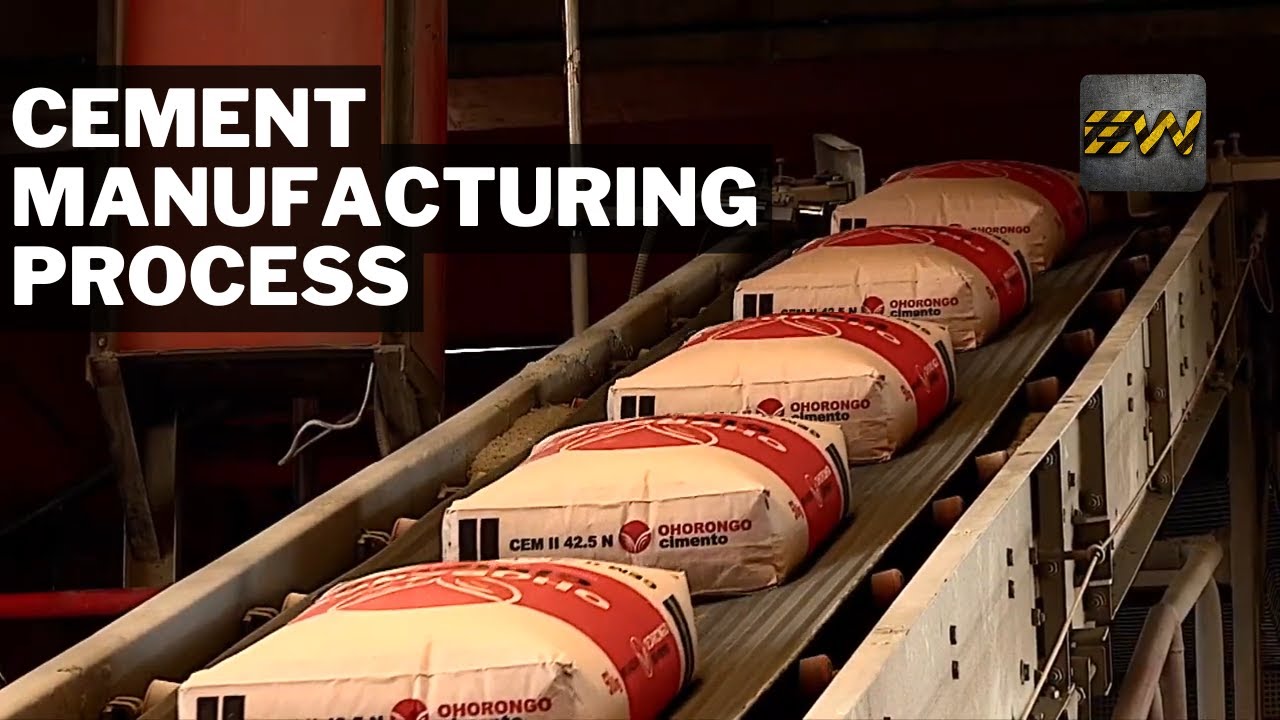
A cement is a binder, a substance used for construction that sets, hardens, and adheres to other materials to bind them together. Cement is seldom used on its own, but rather to bind sand and gravel (aggregate) together. Cement mixed with fine aggregate produces mortar for masonry, or with sand and gravel, produces concrete. Concrete is the most widely used material in existence and is behind only water as the planet's most-consumed resource.
Cement manufacturing is a complex process that begins with mining and then grinding raw materials that include limestone and clay, to a fine powder, called raw meal, which is then heated to a sintering temperature as high as 1450 °C in a cement kiln. In this process, the chemical bonds of the raw materials are broken down and then they are recombined into new compounds. The result is called clinker, which are rounded nodules between 1mm and 25mm across. The clinker is ground to a fine powder in a cement mill and mixed with gypsum to create cement. The powdered cement is then mixed with water and aggregates to form concrete that is used in construction.
Clinker quality depends on raw material composition, which has to be closely monitored to ensure the quality of the cement. Excess free lime, for example, results in undesirable effects such as volume expansion, increased setting time or reduced strength. Several laboratory and online systems can be employed to ensure process control in each step of the cement manufacturing process, including clinker formation.
Video Credits: www.ohorongo-cement.com
Join 'Engineering World' like many others to get access to special perks:
https://www.youtube.com/channe....l/UCh2wZoBynUkHmTX2G
Also, kindly consider subscribing to our channel if you liked the video: https://geni.us/SubscribeChannel
Watch some of our other interesting manufacturing videos:
How Plywood Is Made In Factories?
https://youtu.be/3Wh9NYvfStk
How LUXURY Rolls-Royce Cars Are Made ?
https://youtu.be/BVvnSzMqI3M
How Jigsaw Puzzles Are Made?
https://youtu.be/nylElsB9MkE



This video tutorial details the process of making a Poly 75-70 polyurethane rubber mold of a concrete stepping stone. In this example, we utilize the "poured block mold technique", which is considered to be one of the most simple mold making methods.
Although the stepping stones in this scenario can be easily replaced through options at retail stores, this mold making method is great when you have a unique stone that is not replaceable OR when you'd like to produce custom pavers from your original design (made from wood, clay, a printed model, etc.).
A full list of materials and tools used for this project can be found at the end of the video.
The Steps:
1. Select a Model [0:32]
2. Apply a Sealing Agent (Poly PVA Solution) [0:53]
3. Prepare Model and Construct Mold Box [1:24]
4. Apply Release Agent [3:33]
5. Calculate Amount of Rubber Needed for Mold [4:13]
6. Measure, Mix & Pour Mold Rubber [5:03]
7. Demold [6:29]
8. Cast Concrete [7:24]
http://www.polytek.com
http://www.facebook.com/polytekdevelopmentcorp
http://www.twitter.com/PolytekUSA
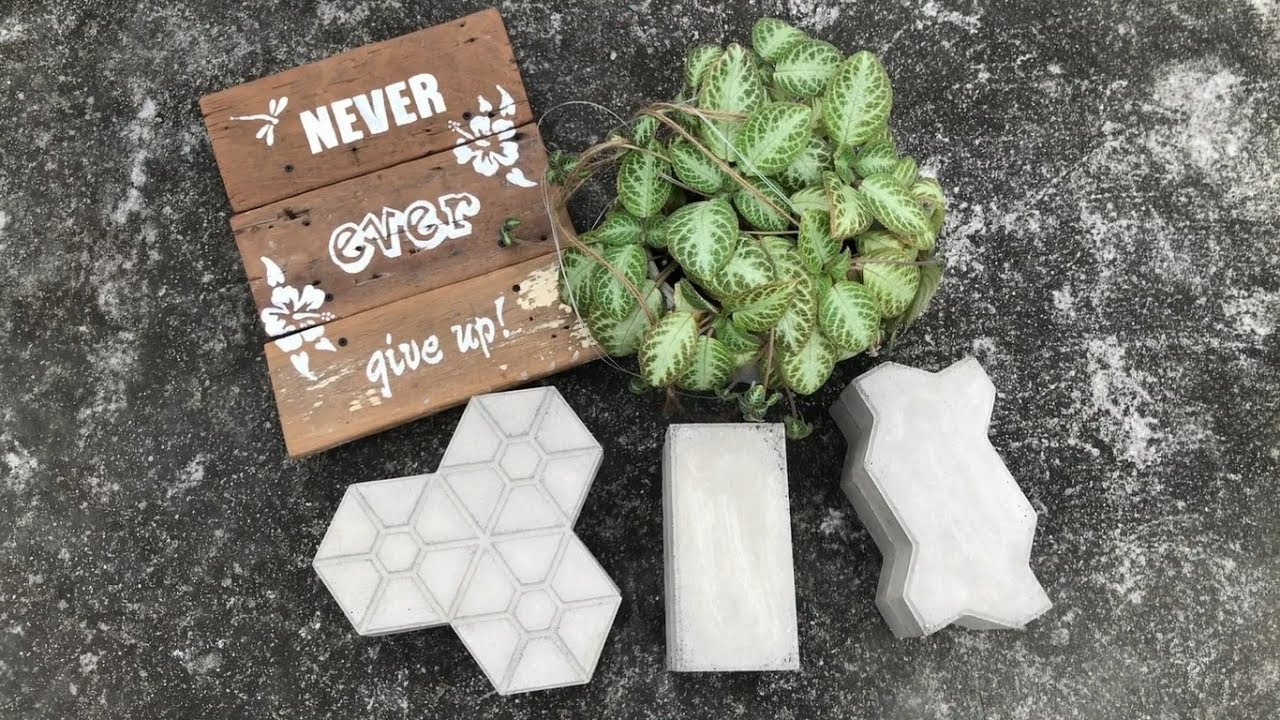
You can use concrete paver blocks as edging for your garden beds, or to give your driveway a makeover.
In this video, I'd like to share how I make concrete paver blocks using plastic molds. Also included are tips on how to demold properly so that you can minimize your chances of damaging the resulting blocks.
The plastic molds I used come in different shapes. In the video, you'll find 3 options. Get these paver molds here: http://s.click.aliexpress.com/e/rqYgPVRi
#HowtoMakeConcretePavers
#HowtoUseConcretePaverMolds

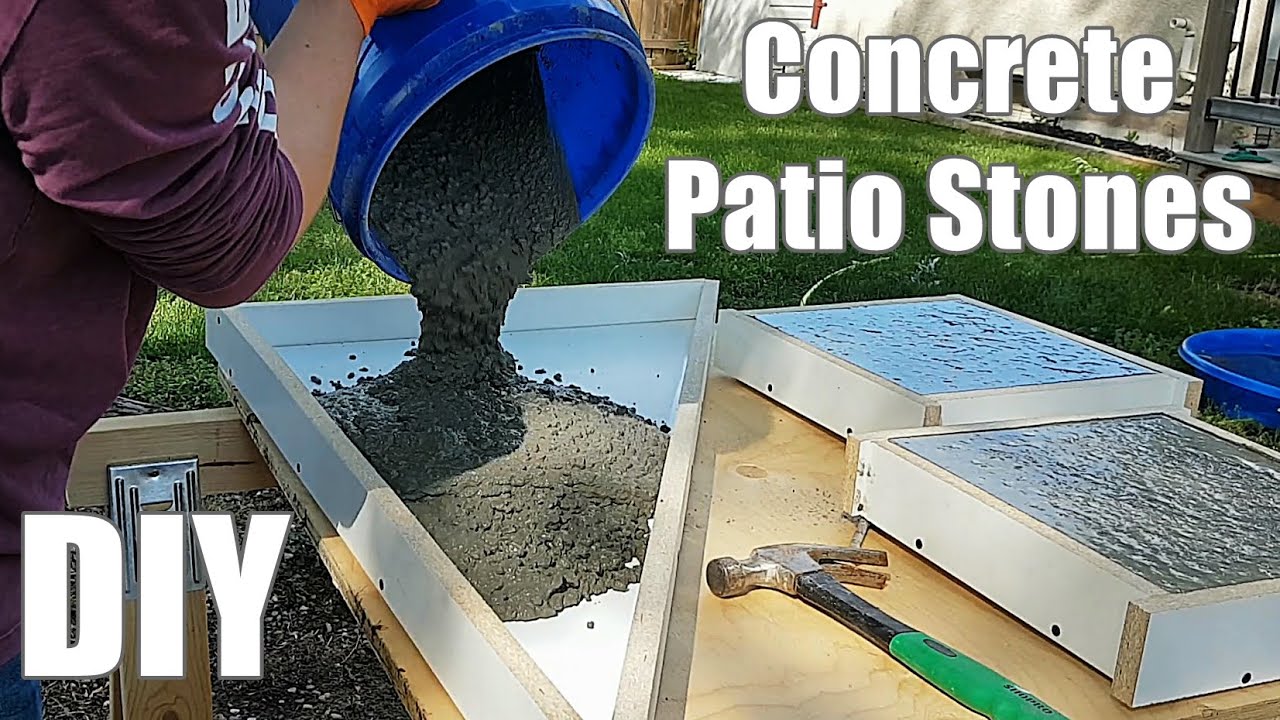
This is a great beginner project for dipping your toes into concrete projects! I go over the steps to create basic concrete shapes and forms, and pouring. No crazy steps or perfection needed since it's just a block, so have fun and practice!
I know they are inexpensive to buy, but around here they go out of season, or you may need a shape or size they don't sell, so this can come in handy for different situations.
Help support the channel and the things I can show by using the links below, it costs nothing to use them, but helps me out so I can help you!
Get the Freshest CA Super glues in the market at Starbond (https://bit.ly/2KPcQTa)
Use Code CANADIYAN at checkout to save 15% off on your purchase!
**************************************
Jesse Does DIY links:
🛠Email: jessedoesdiy@gmail.com
🛠Project Plans: https://jessedoesdiy.etsy.com
🛠Instagram: https://www.instagram.com/canadiyan_jesse/?hl=en
🛠Instructables: https://www.instructables.com/....member/Jesse+does+DI
Other Channel with Slade:
https://www.youtube.com/channe....l/UC-qQtqcjoWHbNn9Kg
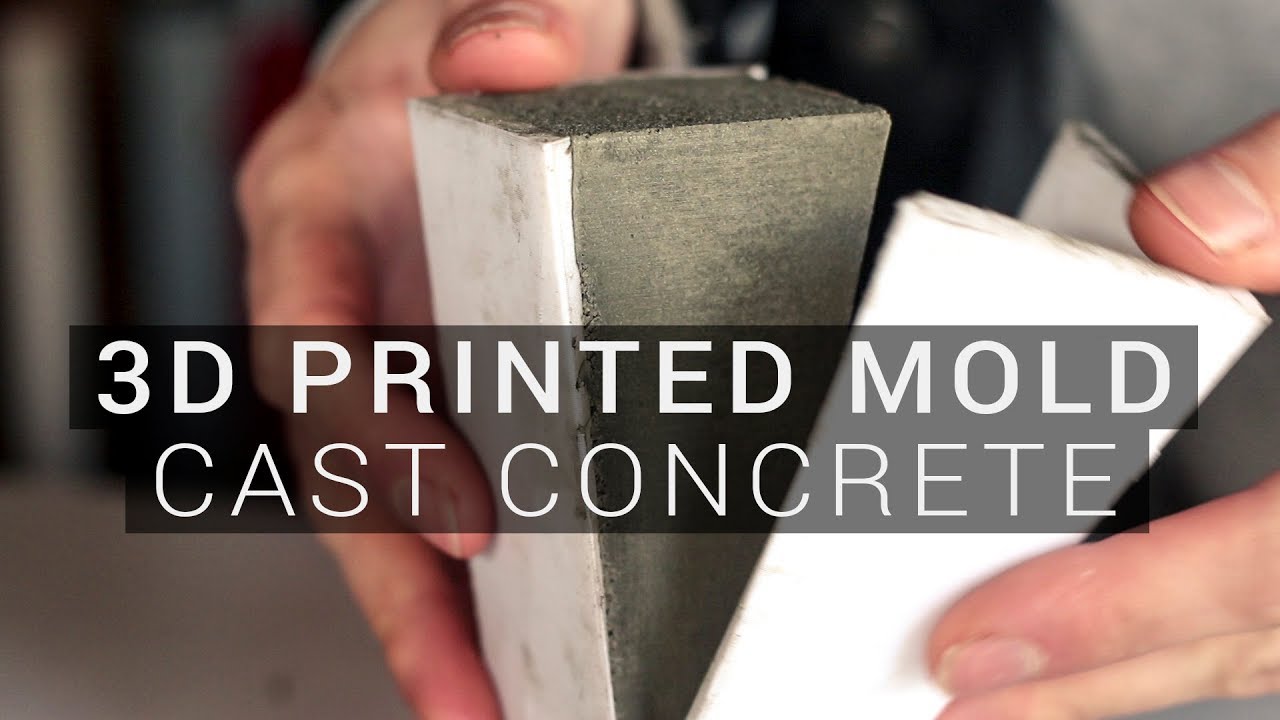
How to use 3d printed molds to create cast concrete products and objects - without needing any silicone.
All Project files are available free from my website:
https://www.furtherfabrication.com/resources
Find me on instagram:
https://www.instagram.com/further_fabrication/
Link to Fusion 360 software:
https://www.autodesk.com/produ....cts/fusion-360/stude
Music:
https://www.epidemicsound.com/

PRODUCTS USED IN THE VIDEO DOWN BELOW
Molds- https://bit.ly/3K19aJ1
Heavy Duty Bucket- https://bit.ly/3K4pc4Z
Mixer- https://bit.ly/3wCny7r
Vibration Table- https://bit.ly/3QJIXTd
Vibration Motor For DIY Vibration Table- https://bit.ly/3WZ7Oq7

How to make Silicone Molds for cement, concrete, wax, soap or plaster castings. Easy DIY project and great way to make multiple reproductions of almost any small to medium sized item that has one flat surface.
Check out our other DIY projects.
WEB http://www.diyeasycrafts.com/
Please join us on:
FACEBOOK https://www.facebook.com/groups/1668357033451028/
PINTEREST https://www.pinterest.com/wrec....kvalle/diy-easy-craf #DIYeasycrafts

Take the full course - https://proko.com/sculpture
Can you create a good mold of your sculptures at an affordable price? Yes, yes you can! In this lesson Andrew covers the materials needed to make a quality mold and the step by step process for making it. You’ll see how to apply the silicone to your sculpture and then the process of pulling the sculpt from the mold, and filling it with resin. If you enjoy this lesson and want the more in-depth one check out the premium course (link above).
Your assignment is to create a mold of a torso. If you don’t have one, sculpt one and then make a mold. We’d like to see what you come up with so make sure you post your work here - https://proko.com/712
RELATED LINKS:
7 Types of Sculpting Tools and How to Make Your Own - https://youtu.be/7MT-zYpPCGg
5 Ways to Add Texture to your Sculptures - https://youtu.be/BnyOSYXjYVw
Basic Sculpting Supplies - https://youtu.be/L1kCB4Ahqrk
#moldmaking #sculpting #siliconemold
COURSE DESCRIPTION:
This portrait sculpting course will dive deep into the techniques and principles that will help you master the portrait. Portrait sculpting is one of the most difficult challenges that visual artists can take on but if you follow the lessons and do the corresponding assignments you'll be surprised how fast you will improve.
ABOUT PROKO 3D:
Instructional How to Sculpt videos for artists. These sculpting lessons are approachable enough for beginners and detailed enough for advanced artists. My philosophy is to teach timeless concepts in an entertaining way. I believe that when you are having fun, you learn better. I take pride in producing high quality videos that you will enjoy watching and re-watching. If you want to learn more about drawing check out my other YouTube channel: Proko - https://www.youtube.com/ProkoTV
CREDITS:
Artist | Instructor - Andrew Joseph Keith (https://andrewjosephkeith.onuniverse.com)
Producer - Andrew Joseph Keith, Charlie Nicholson (https://www.instagram.com/shloogorgh/)
Script & editing - Andrew Joseph Keith
Model images courtesy of https://www.pixabay.com


How to make a concrete planter making a cement pot mixing concrete
Connect with me on IG https://www.instagram.com/tedsbackyard337/
Music:
"Acid Jazz" Kevin MacLeod (incompetech.com)
Licensed under Creative Commons: By Attribution 3.0 License
http://creativecommons.org/licenses/by/3.0/
"Poofy Reel" Kevin MacLeod (incompetech.com)
Licensed under Creative Commons: By Attribution 3.0 License
http://creativecommons.org/licenses/by/3.0/
"There It Is" Kevin MacLeod (incompetech.com)
Licensed under Creative Commons: By Attribution 3.0 License
http://creativecommons.org/licenses/by/3.0/
"That's a Wrap" Kevin MacLeod (incompetech.com)
Licensed under Creative Commons: By Attribution 3.0 License
http://creativecommons.org/licenses/by/3.0/
